
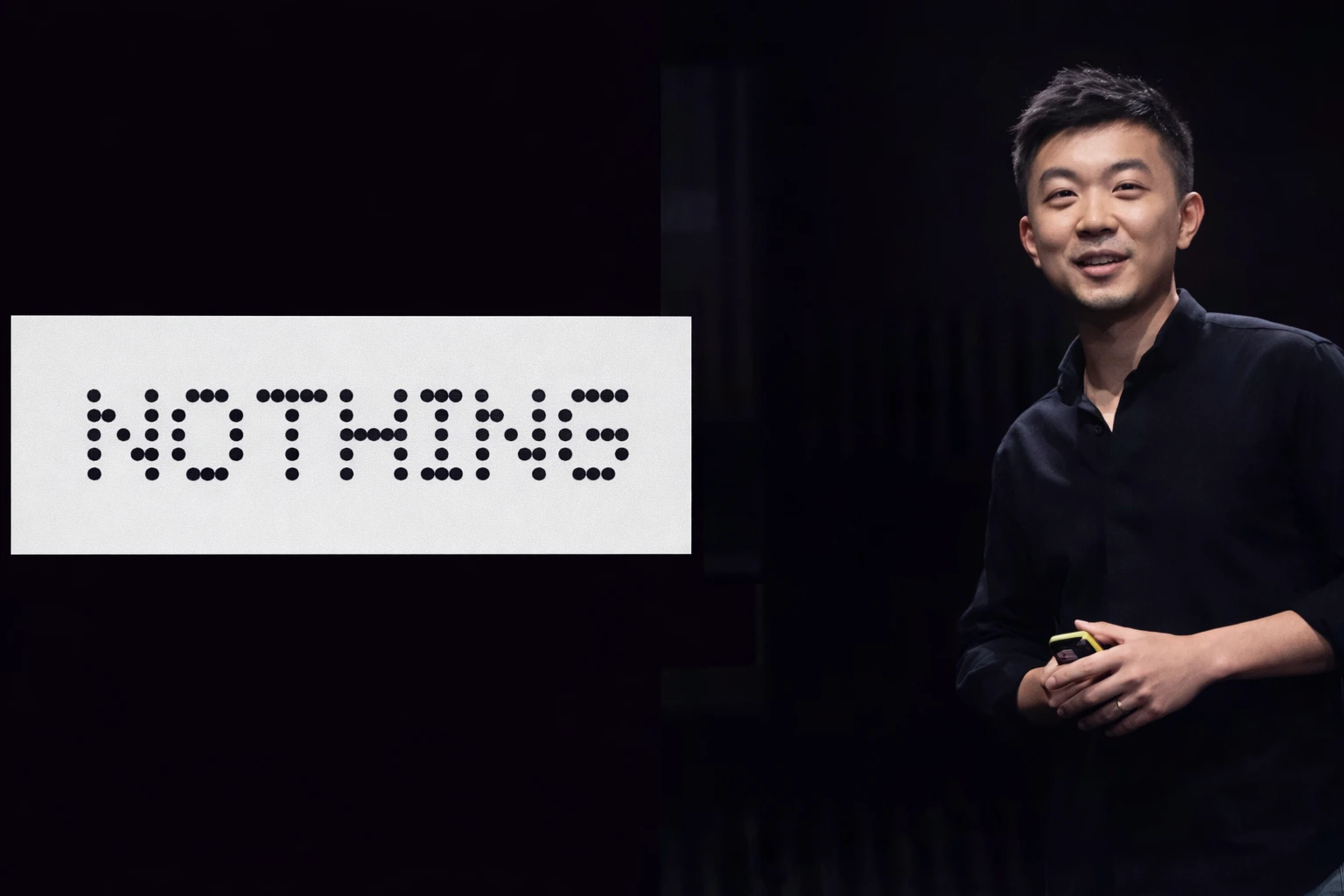
Nothing CEO Carl Pei has outlined a bold vision for the future of smartphones—one where traditional apps disappear and are replaced by intelligent AI agents that handle tasks automatically.
Speaking at the SXSW conference in Austin, Pei argued that app-based ecosystems are outdated and will eventually be disrupted by AI-driven interfaces. According to him, startups that rely heavily on apps as their core product may face significant challenges as this shift accelerates.
Pei has been advocating for an “AI-first” device for some time, a concept that helped Nothing secure $200 million in funding last year. His vision centers on a smartphone that deeply understands user behavior and preferences, eliminating the need for manual interaction with multiple apps.
Currently, some companies are experimenting with AI tools that can perform tasks like booking flights or making reservations. However, Pei described this stage as basic and unexciting. He believes the real transformation will come when AI begins to understand long-term user intent.
For example, instead of manually setting goals or opening multiple apps, an AI-powered device could proactively suggest actions—like encouraging healthier habits or organizing daily tasks—based on user patterns. Over time, the system would become predictive, offering solutions before users even realize their needs.
Pei criticized the current smartphone experience as largely unchanged for over two decades. Despite advancements in technology, users still rely on home screens, app grids, and switching between multiple apps to complete simple tasks.
He pointed out how even basic activities—such as meeting a friend for coffee—require navigating several apps, including messaging, maps, ride-hailing, and calendars. This fragmented experience, he said, makes smartphones inefficient.
In contrast, Pei envisions a future where users simply express an intention, and the device handles everything seamlessly. The AI would execute tasks without requiring users to manually open apps or follow step-by-step processes.
This shift would also require a fundamental redesign of smartphone interfaces. Instead of being built for human navigation, future systems would be designed for AI agents to operate efficiently in the background.
While Pei acknowledged that apps won’t disappear immediately, he believes the long-term trajectory is clear. The future of smartphones, according to him, lies in intelligent systems that act on behalf of users—making interactions faster, simpler, and more intuitive.