
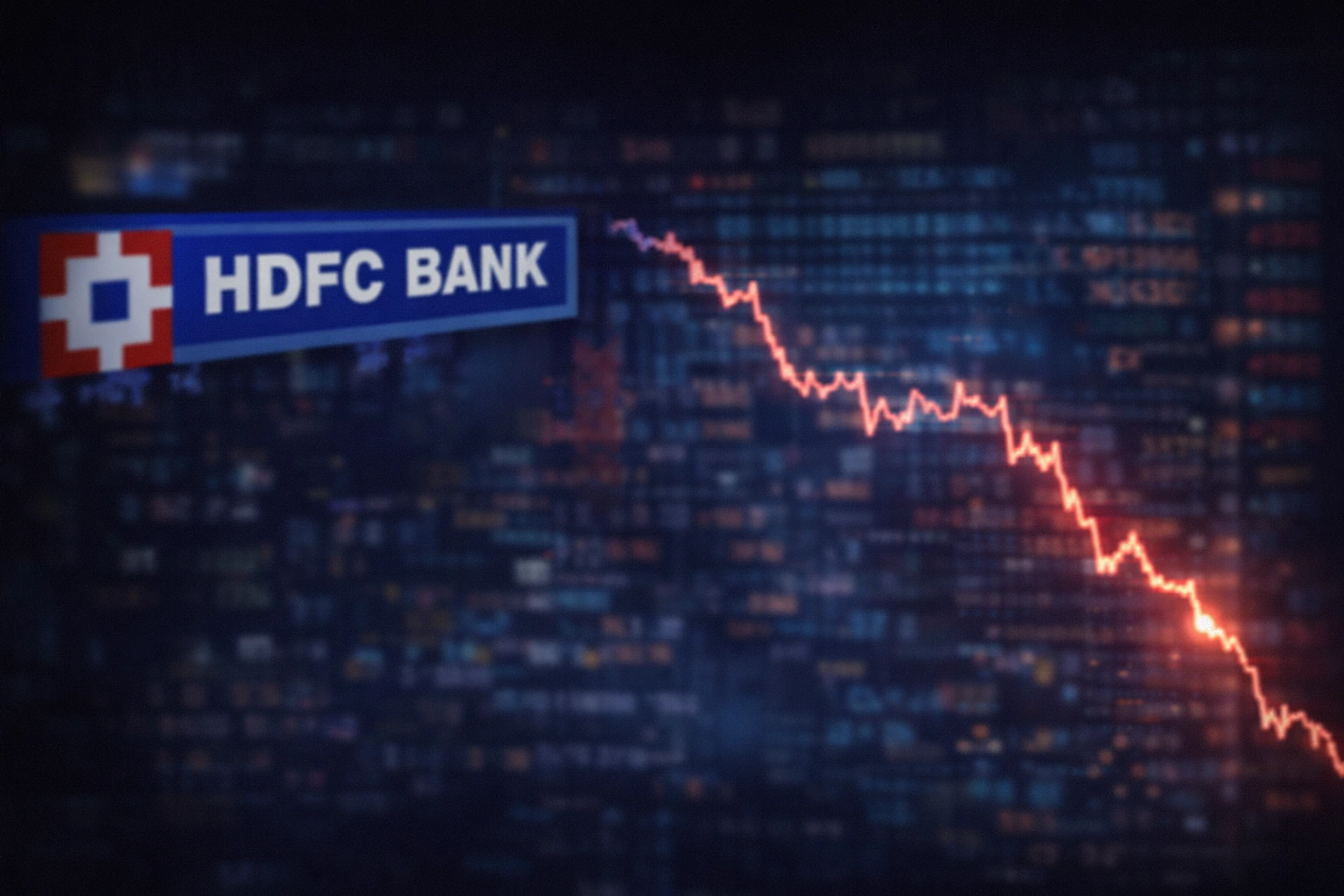
HDFC Bank is facing significant turbulence in March 2026 after the sudden resignation of its part-time Chairman, Atanu Chakraborty, triggering a sharp fall in its share price and raising serious concerns about corporate governance.
Abrupt Resignation Sparks Concern
Atanu Chakraborty stepped down with immediate effect, citing that certain developments and internal practices over the past two years did not align with his personal values and ethical standards. His unexpected exit unsettled investors, leading to an immediate negative reaction in the stock market.
Stock Drops to 52-Week Low
Following the announcement, HDFC Bank’s shares declined sharply—reportedly by around 8%—and touched a 52-week low. The fall intensified existing pressure on the stock, reflecting declining investor confidence amid uncertainty about the bank’s leadership and internal operations.
Boardroom Uncertainty Grows
The resignation has also sparked speculation of internal friction between the board and senior management. Concerns about leadership stability have grown, with market participants questioning whether deeper structural or governance issues may be at play. Keki Mistry has reportedly been appointed as interim chairman to stabilise the situation.
Background of Recent Issues
The current crisis comes amid a series of challenges faced by the bank in recent months. These include allegations related to the mis-selling of Credit Suisse AT1 bonds, regulatory scrutiny involving its Dubai operations, and earlier complaints raised against leadership practices. While none of these issues alone triggered a major crisis, the cumulative impact appears to have heightened sensitivity around governance.
Investor Outlook and Market Reaction
Investors are increasingly concerned that Chakraborty’s resignation may signal deeper, underlying risks within the bank, particularly following its recent merger-related integration. The lack of detailed explanation behind his departure has further fueled speculation of broader cultural or operational challenges.
Market sentiment remains cautious, with analysts closely watching for clarity from the bank’s management and any regulatory developments. Until greater transparency emerges, uncertainty is likely to continue influencing investor behavior.