

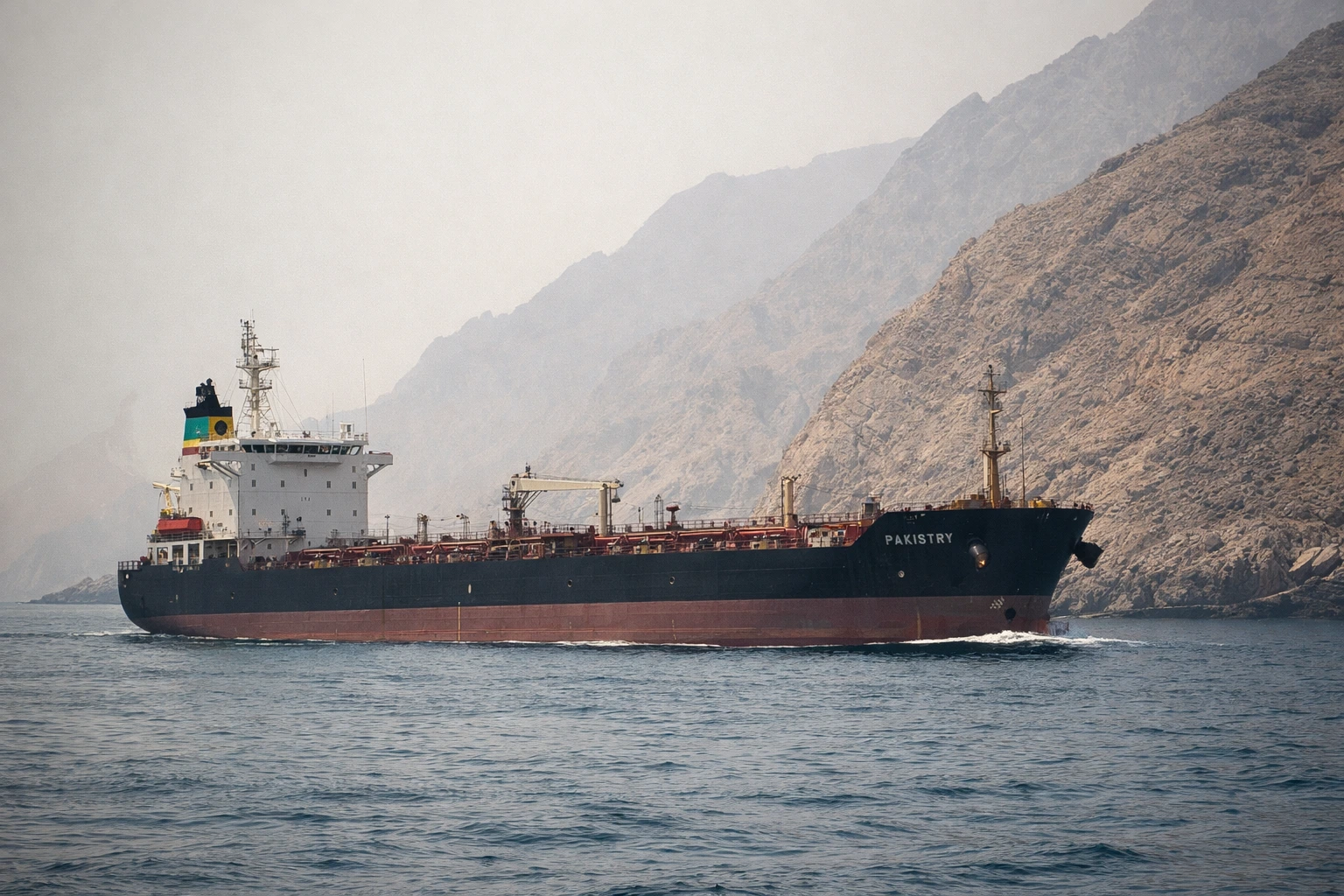
Traffic through the Strait of Hormuz has dropped sharply as escalating tensions in the region make one of the world’s most critical shipping routes increasingly dangerous.
Since the start of the conflict, only a small number of ships have continued to pass through the narrow waterway, with daily traffic falling drastically compared to normal levels. The strait is a vital corridor for global energy supply, carrying a significant share of the world’s oil shipments.
Massive Drop in Vessel Movement
Before the conflict:
- Over 100 ships crossed the strait daily
- The route handled a major portion of global oil transport
Now:
- Only a handful of ships are moving through each day
- Overall traffic has fallen by nearly 90–95%
This sharp decline reflects growing concerns among shipping companies about safety and operational risks.
Ships Taking Risky Routes
Vessels that continue to operate in the region are:
- Hugging coastlines instead of using central shipping lanes
- Taking longer and less efficient routes
- Adjusting paths to reduce exposure to potential attacks
These changes are increasing travel time and operational costs.
Rising Threats at Sea
The region has seen a surge in maritime threats, including:
- Drone attacks
- Missile strikes
- Fast attack boats
- Possible naval mines
Several commercial ships have already been hit, forcing crews to abandon vessels in some cases. The situation has turned key shipping lanes into high-risk zones.
Tracking Systems Being Turned Off
Many ships are now:
- Disabling tracking systems (AIS)
- Disappearing from monitoring systems temporarily
- Reappearing later at different locations
While this helps avoid detection, it also increases uncertainty and makes navigation more dangerous.
Global Impact on Energy and Trade
The disruption in shipping is having a direct impact on global markets:
- Oil and gas supply chains are under pressure
- Energy prices are rising due to reduced flow
- Trade routes are becoming slower and more expensive
Even a short-term disruption in this region can have long-lasting effects on global energy stability.