
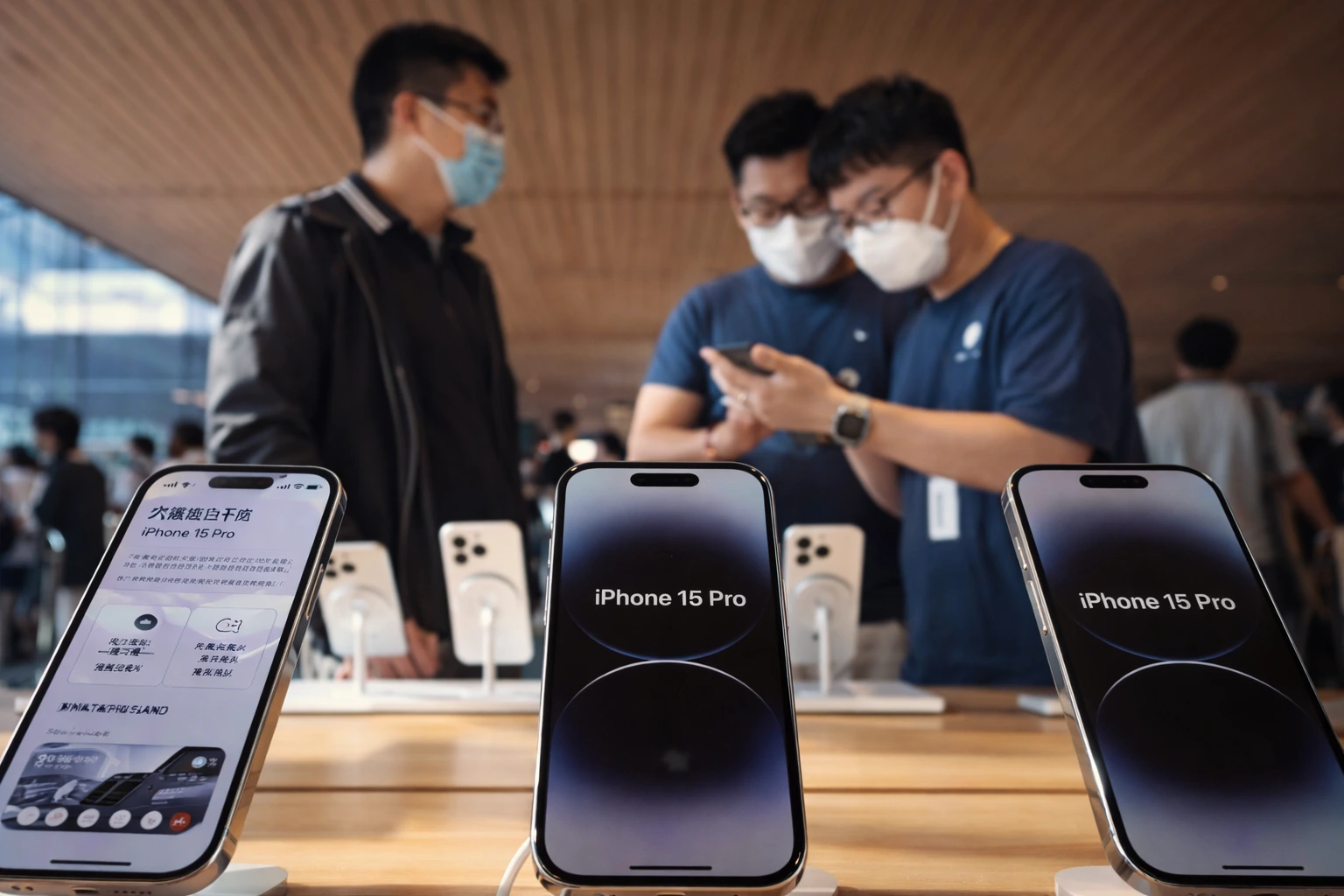
Beijing, March 19: Apple recorded a 23% increase in smartphone sales in China during the first nine weeks of 2026, outperforming a broader market that continues to face declining demand.
According to data from research firm Counterpoint, China’s overall smartphone market fell 4% year-on-year in the January to early March period, as government subsidies failed to significantly boost consumer spending.
Apple’s growth was driven by a combination of e-commerce discounts and its eligibility for state subsidies on the base iPhone 17 model. The company’s strong supply chain management has also allowed it to avoid raising prices despite rising component costs.
In contrast, several Android smartphone manufacturers are adjusting pricing strategies. Chinese brands such as OPPO and vivo have announced price increases on select models, citing higher costs of memory chips. Analysts suggest these moves may also serve to test consumer response ahead of upcoming product launches.
Huawei, meanwhile, may gain a competitive edge due to its reliance on domestic suppliers, which offer relatively lower costs compared to international chipmakers. This could help the company strengthen its position in the entry-level and mid-range segments.
Counterpoint expects the Chinese smartphone market to remain under pressure in the coming months, with a potential recovery around June during the annual “618” shopping festival, a key retail event known for heavy discounting.
Rising memory chip costs are expected to persist throughout 2026, forcing smartphone manufacturers to navigate challenges related to pricing, margins, and shipment volumes.