
The Union Cabinet has approved the Small Hydro Power (SHP) Development Scheme with a total outlay of ₹2,584.60 crore for the period from FY 2026–27 to FY 2030–31. The initiative aims to add around 1,500 MW of small hydro power capacity across India, focusing particularly on hilly regions and North-Eastern states with significant untapped potential.
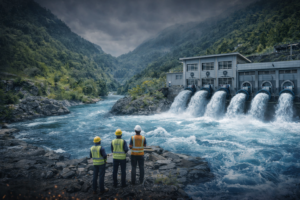
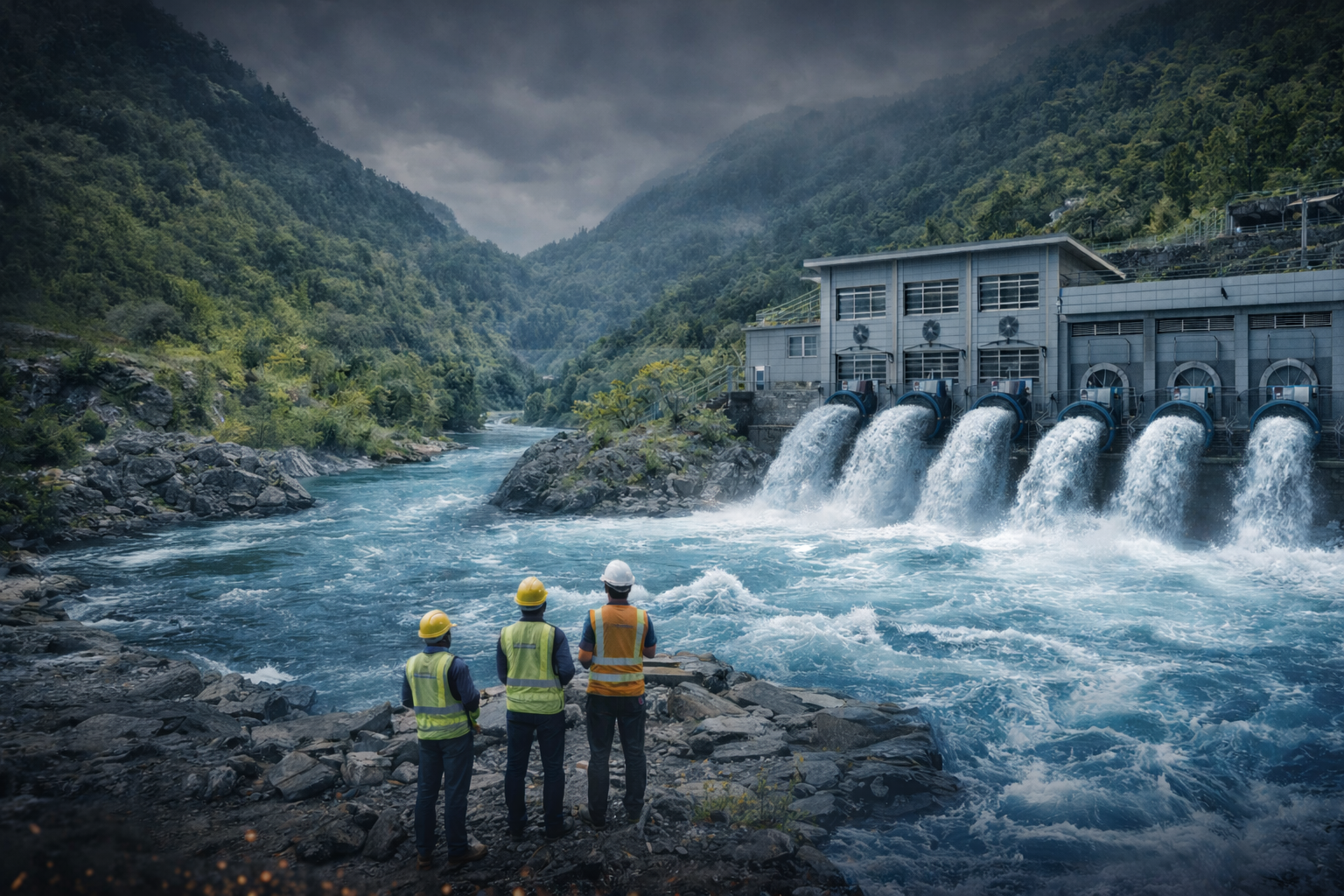
The scheme promotes eco-friendly “run-of-the-river” technology, which generates electricity using the natural flow of rivers without requiring large dams. This approach helps minimise environmental impact, including displacement, deforestation, and ecological disruption.
Union Minister Ashwini Vaishnaw highlighted that India has identified nearly 7,000 potential sites capable of generating up to 21,000 MW through such projects. He noted that the technology is already widely used in countries like Brazil, Canada, Switzerland, and Sweden, offering lower costs and faster project execution timelines.
Under the scheme, projects ranging from 1 MW to 25 MW capacity will be developed. The government plans to provide central financial assistance to encourage investment:
- North-Eastern and border areas: ₹3.6 crore per MW or 30% of project cost (whichever is lower), capped at ₹30 crore per project
- Other states: ₹2.4 crore per MW or 20% of project cost (whichever is lower), capped at ₹20 crore per project
Out of the total budget, ₹2,532 crore has been allocated for project implementation. The initiative is expected to attract investments worth ₹15,000 crore and generate around 51 lakh person-days of employment during construction, along with long-term jobs in operations and maintenance, especially in rural and remote areas.
Additionally, ₹30 crore has been set aside to support the preparation of Detailed Project Reports (DPRs) for approximately 200 upcoming projects, ensuring a strong pipeline for future development.
In line with the Atmanirbhar Bharat initiative, all equipment and machinery for these projects will be sourced domestically. The decentralized nature of small hydro plants also reduces the need for extensive transmission infrastructure, helping lower energy losses.
The government sees this scheme as a major step toward revitalising the small hydro sector, accelerating clean energy generation, and promoting sustainable economic growth in remote regions. With project lifespans typically exceeding 40–60 years, the initiative is expected to deliver long-term environmental and economic benefits.