
Meta Orbital Solar Energy Project Explained
Meta Platforms has announced an innovative step toward sustainable AI development through its Meta orbital solar energy project. The company has partnered with Overview Energy to explore collecting solar power directly from space.
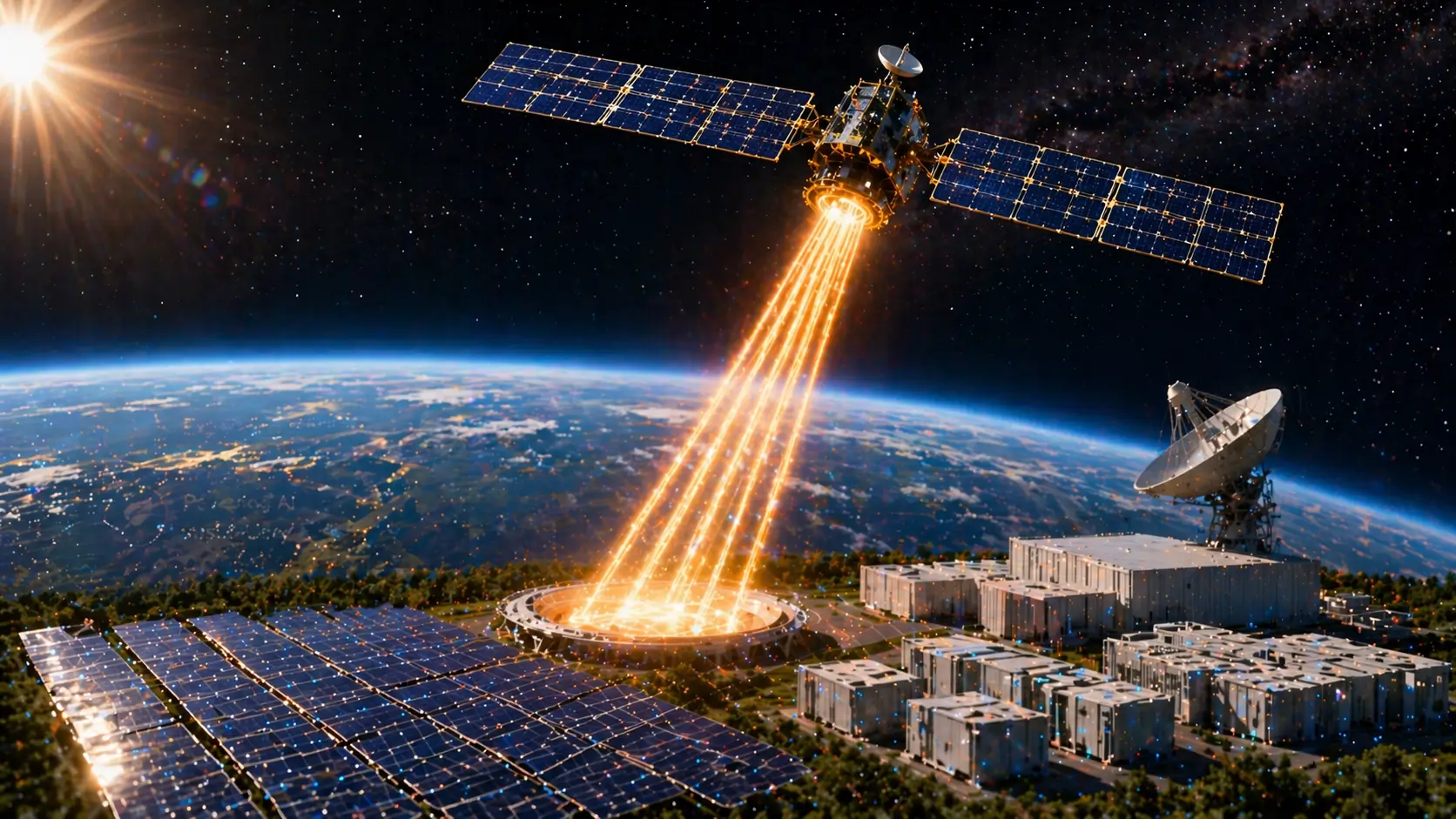
Traditional solar systems only generate electricity when sunlight is available. However, Overview Energy’s approach uses satellites positioned in geosynchronous orbit—around 22,000 miles above Earth—to capture constant sunlight and transmit it back to Earth as low-intensity, near-infrared energy.
How Meta’s Orbital Solar Technology Works
The Meta orbital solar energy project focuses on maximizing efficiency by reducing downtime in solar power generation. Instead of building entirely new infrastructure, the system integrates with existing solar facilities, allowing faster deployment at scale.
This continuous energy supply could significantly improve solar output, helping Meta power its expanding AI data centers more sustainably.
Comparison with Space-Based Data Center Concepts
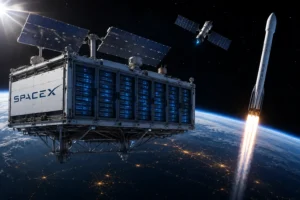
The concept shares similarities with proposals from SpaceX, which has explored placing data centers in orbit to take advantage of uninterrupted solar energy.
However, Meta’s approach differs by transmitting energy back to Earth rather than relocating computing infrastructure to space—making the Meta orbital solar energy project potentially more practical in the near term.
Energy Storage Expansion with Noon Energy
Meta is also collaborating with Noon Energy to enhance energy storage capacity. Noon Energy’s technology uses solid oxide fuel cells and carbon-based systems capable of storing energy for over 100 hours—far exceeding traditional lithium-ion batteries.
This partnership complements the Meta orbital solar energy project, ensuring consistent energy availability even during peak demand.
Impact on AI Growth and Energy Sustainability
Meta’s initiative is part of a broader effort to develop independent and sustainable power sources for its growing AI infrastructure. By reducing reliance on traditional power grids, the company aims to minimize the environmental and societal impact of large-scale AI deployment.
The move also aligns with policy directions from the White House, which emphasizes expanding energy capacity alongside AI innovation.