
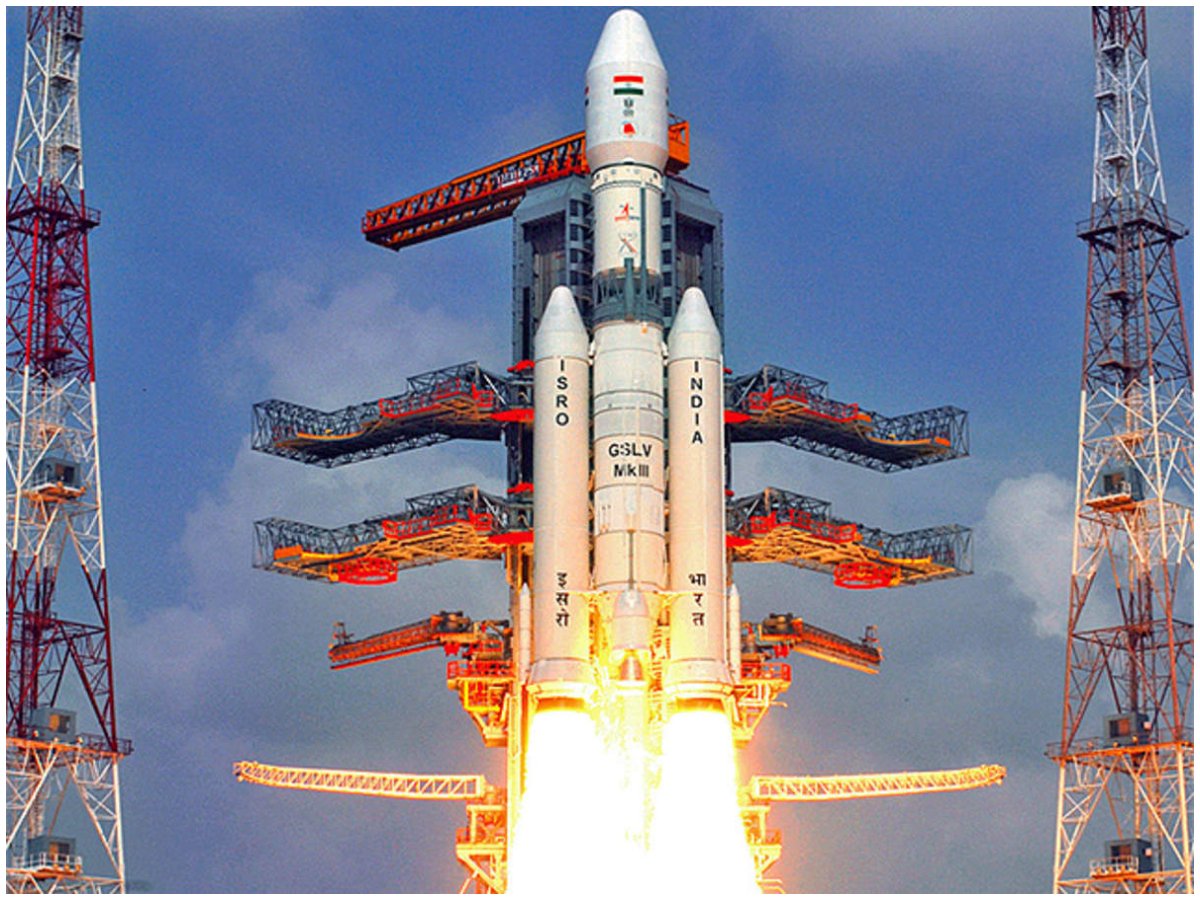
ISRO’s GSLV: Achieving another milestone, the Indian Space Research Organisation (ISRO) successfully launched the INSAT-3DS meteorological satellite into space on Saturday. The powerful satellite was carried by ISRO’s trustworthy GSLV F14. This mission marked an important achievement for the Geosynchronous Satellite Launch Vehicle Mk-II (GSLV-MkII), which was once termed the ‘naughty boy’ of the Indian space agency due to its history of launch failures and numerous technical glitches.
How GSLV transformed from ‘naughty’ to obedient ‘smarty boy’
On Saturday, the GSLV placed the INSAT-3DS satellite in the Geosynchronous Transfer Orbit, marking the second successful mission. Earlier, the ‘naughty boy’ of ISRO places NVS-01 satellite for the country’s own satellite-based navigation system, NavIC. The back-to-back successful launches have shed GSLV’s notorious tag, prompting the mission director to declare, “The naughty boy has become disciplined.”
“Coming to the launch vehicle, GSLV doesn’t have a good name (‘Naughty Boy’) with regards to its performance, but that has been a thing of the past. So far, the rocket and satellites have performed very well,” ISRO Chairman S Somanath said to media persons after the successful launch of INSAT-3DS.
Mission Director Tomy Joseph said that the ‘naughty boy’ has matured as an obedient and disciplined boy. “The naughty boy has matured as a very obedient and disciplined boy.” “Like PSLV (Polar Satellite Launch Vehicle), GSLV has also become a robust vehicle for ISRO,” he said.
GSLV’s Reliability Has Increased
According to Vikram Sarabhai Space Centre Director S Unnikrishnan Nair, GSLV is “smarty” and “natty” and its reliability of the launch vehicle was high like other rockets.
ISRO’S ‘Naughty’ GSLV, A Glimpse
ISRO used a home-built Cryogenic Upper Stage in the GSLV, which generated a thrust of 75 kiloNewtons, making it possible to send two-ton communication satellites into orbit. Its first trial flight took off on April 18, 2001, and it wasn’t long before a second trial took place on May 8, 2003.
Despite initial success, the GSLV suffered botched missions in both 2006 and 2010. ISRO didn’t lose heart and instead launched the GSLV-Mark III, armed with a native cryogenic engine (C25) crafted by their own folks at the Liquid Propulsion Systems Centre located in Thiruvananthapuram.
Under its new name, Launch Vehicle Mark III (LVM3), it’s now capable of launching satellites weighing up to four tonnes into Geostationary Transfer Orbit (GTO) and as heavy as eight tonnes into low earth orbits.