

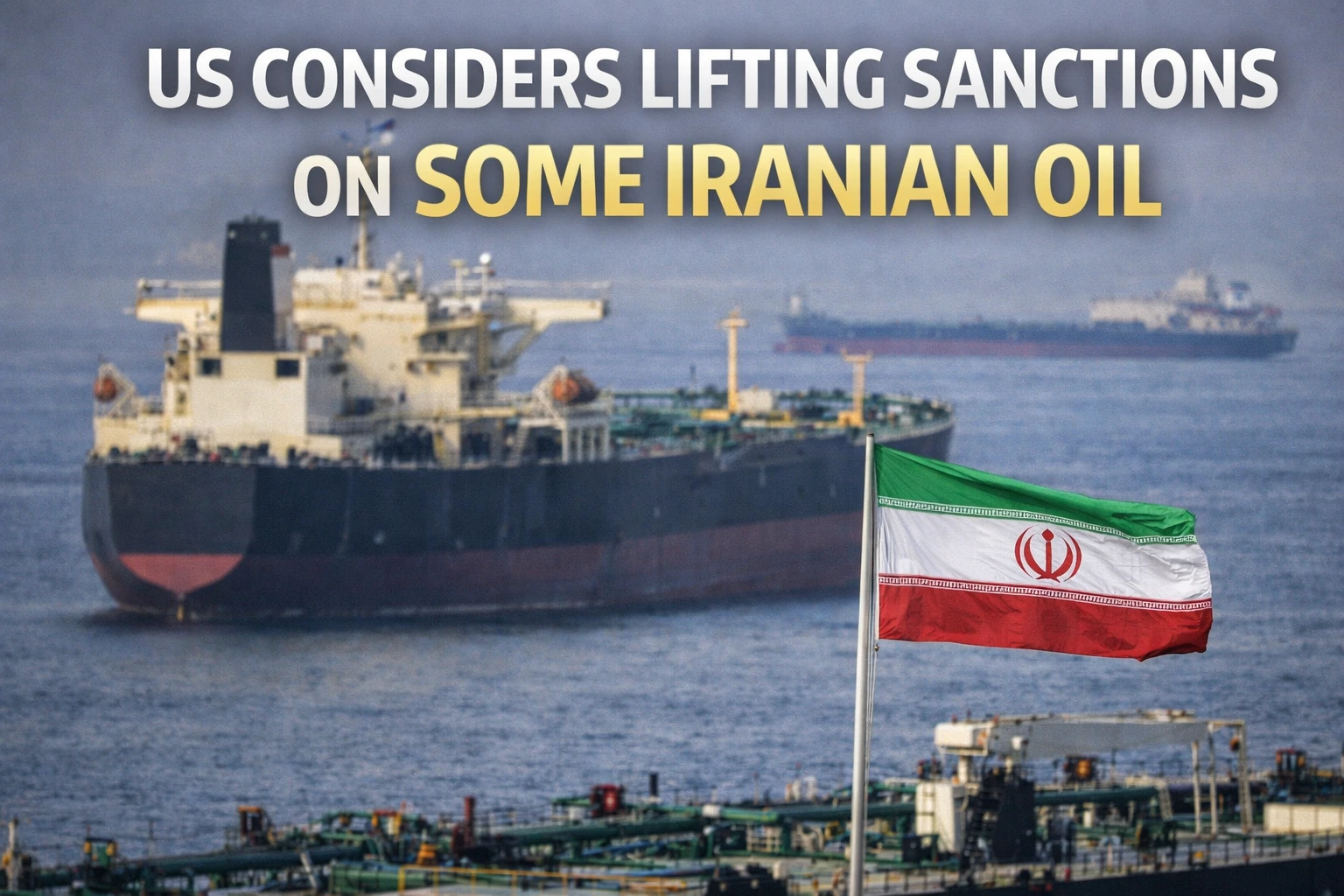
The United States is considering lifting sanctions on certain Iranian oil exports as it seeks to ease pressure on global energy markets disrupted by the ongoing conflict with Iran.
Scott Bessent suggested the move in a recent interview, indicating that allowing limited oil sales could help increase global supply and reduce rising prices.
What the Proposal Involves
The plan under consideration includes:
- Allowing the sale of approximately 140 million barrels of Iranian oil already at sea
- Temporarily easing restrictions to supply oil to countries such as India, Japan, and Malaysia
- Potentially reducing global oil prices for a short period (estimated 10–14 days)
The idea also aims to shift some oil supply away from China, which has been purchasing Iranian oil at discounted rates due to existing sanctions.
A Major Policy Shift
If implemented, the move would represent a significant reversal of longstanding US sanctions policy against Iran.
However, experts have raised concerns:
- The additional supply may have only a limited impact on global prices
- Revenue from oil sales could indirectly support Iran’s government, which the US is currently confronting
Analysts warn that the policy could create strategic contradictions, balancing market stability against geopolitical objectives.
Limited Market Impact Expected
Energy experts believe the measure may not dramatically change market conditions:
- The volume under consideration is small relative to global demand
- Much of the oil is already reaching markets through indirect channels
- Any price relief would likely be short-lived
Rachel Ziemba noted that while the move could add some supply, it is “not a game changer” and raises multiple policy questions.
Broader Energy Crisis Context
The proposal comes amid a severe energy disruption:
- Conflict in the region has impacted shipping through the Strait of Hormuz, a critical oil transit route
- Nearly 20% of global oil supply typically passes through this corridor
- Experts estimate that the conflict has already removed around 10% of global supply from the market
In response, the US has also:
- Released strategic oil reserves
- Temporarily eased sanctions on other oil sources
Political and Global Reactions
The potential policy shift may face resistance:
- US lawmakers recently moved to strengthen sanctions on Iran’s oil sector
- European leaders previously criticized similar moves involving Russian oil
- Questions remain about whether safeguards can prevent oil revenues from reaching Iran’s government
Donald Trump has not provided a definitive stance, stating only that the US will do “whatever is necessary” to manage energy prices.